Explore Enterprise Drives (SSD/HDD) Subcategories
Enterprise Drives (SSD/HDD)
.webp&w=1920&q=75)

.webp&w=1920&q=75)
.webp&w=1920&q=75)
.webp&w=1920&q=75)
About Enterprise Drives (SSD/HDD)
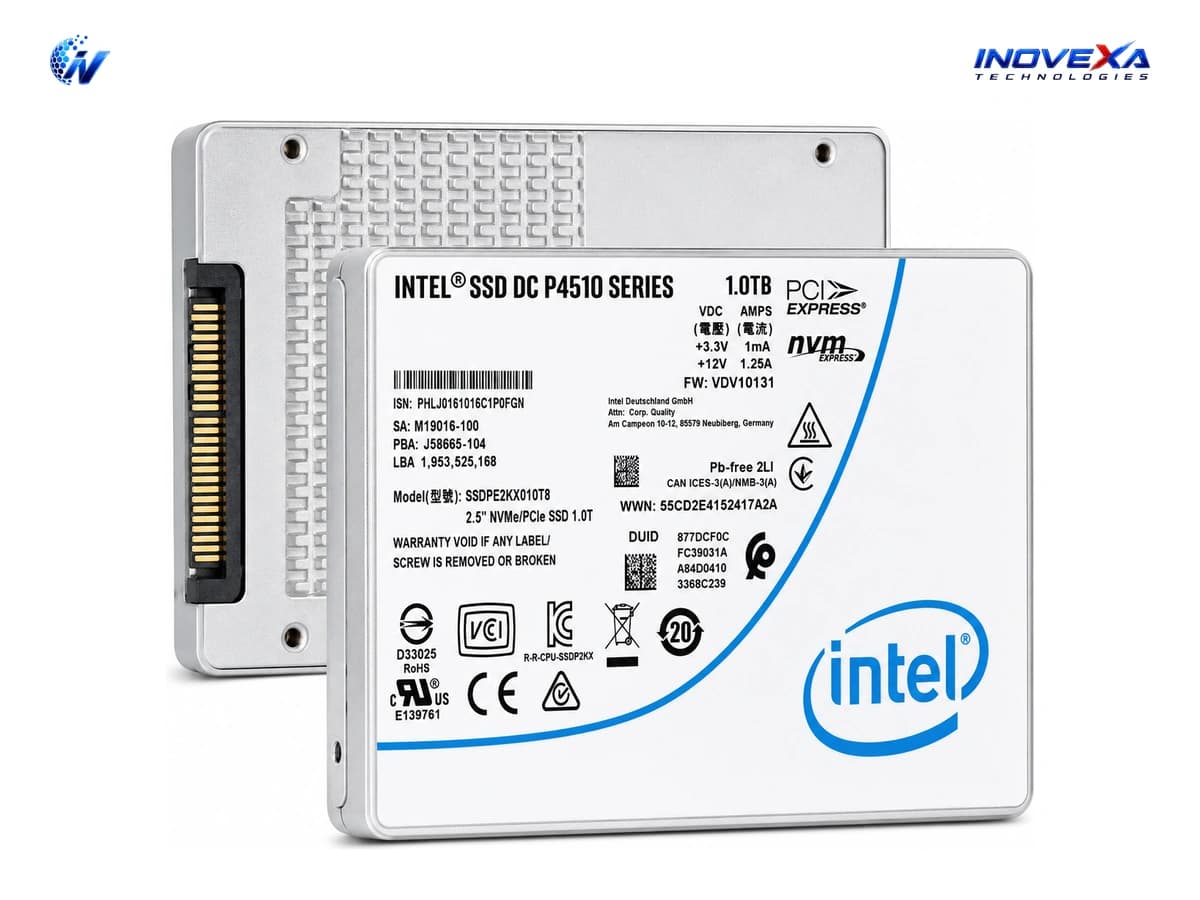
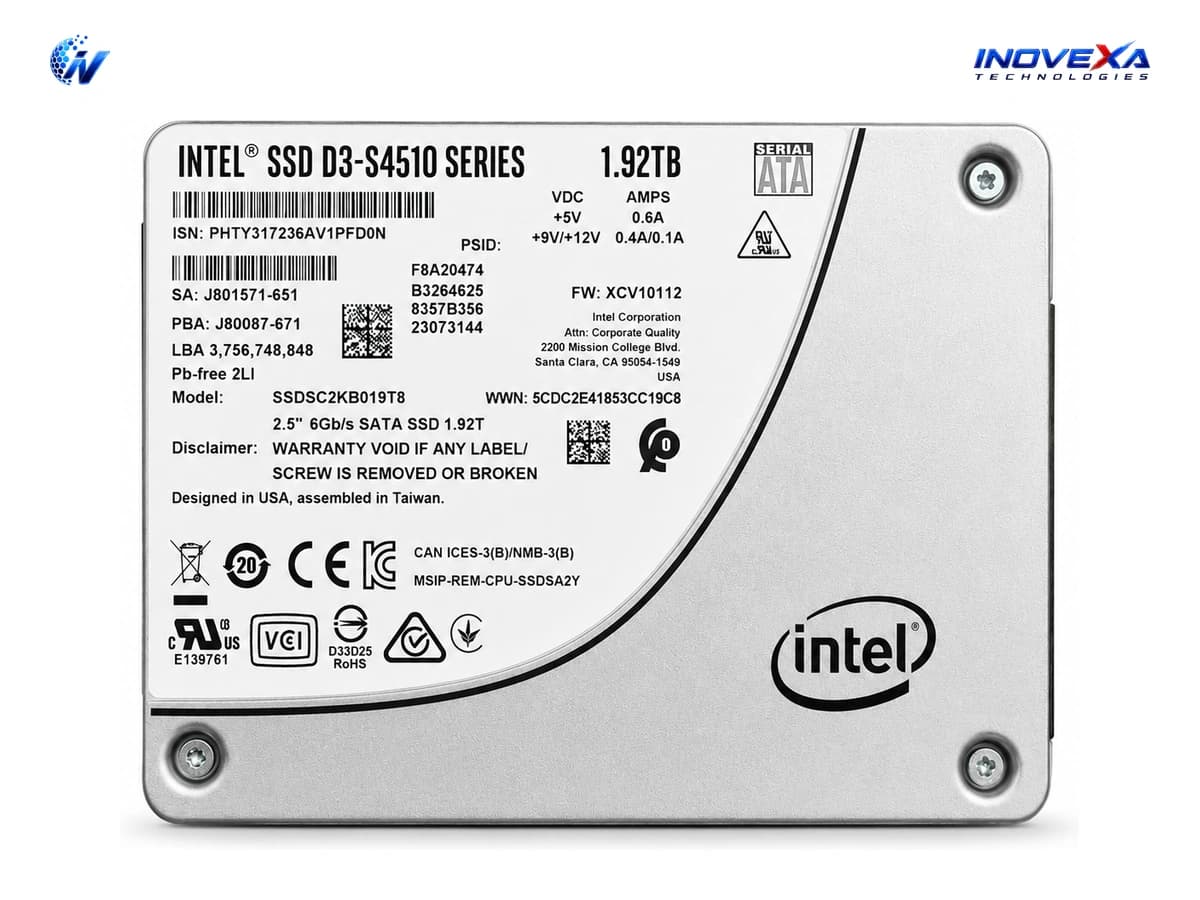
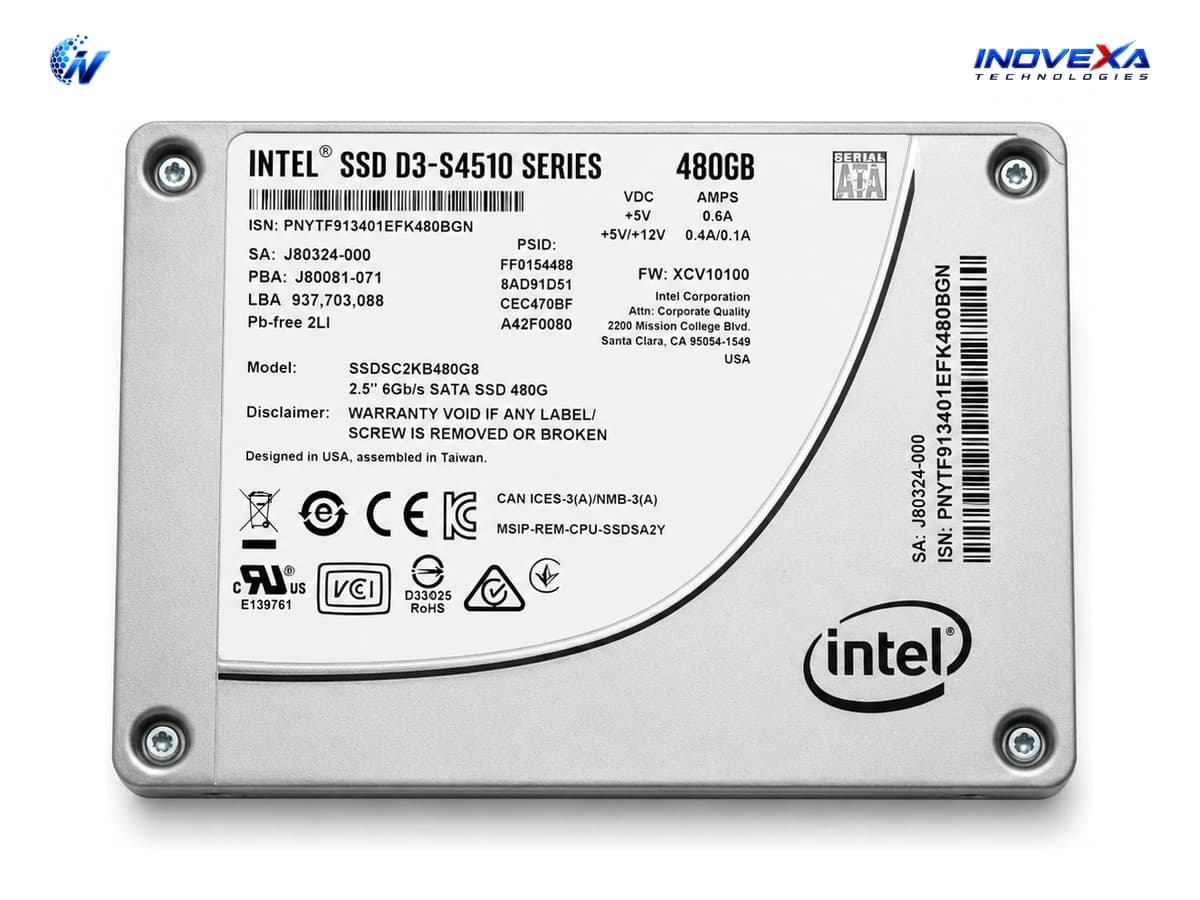
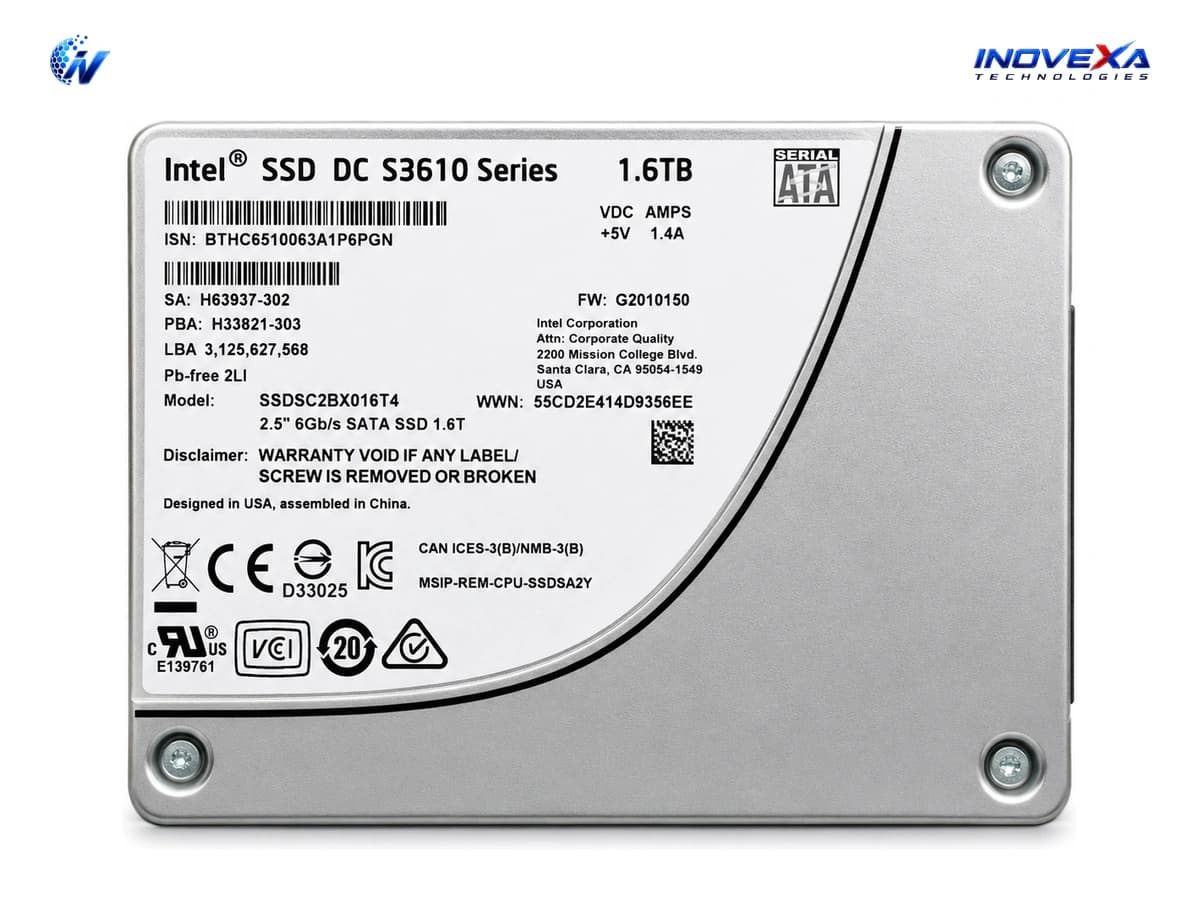
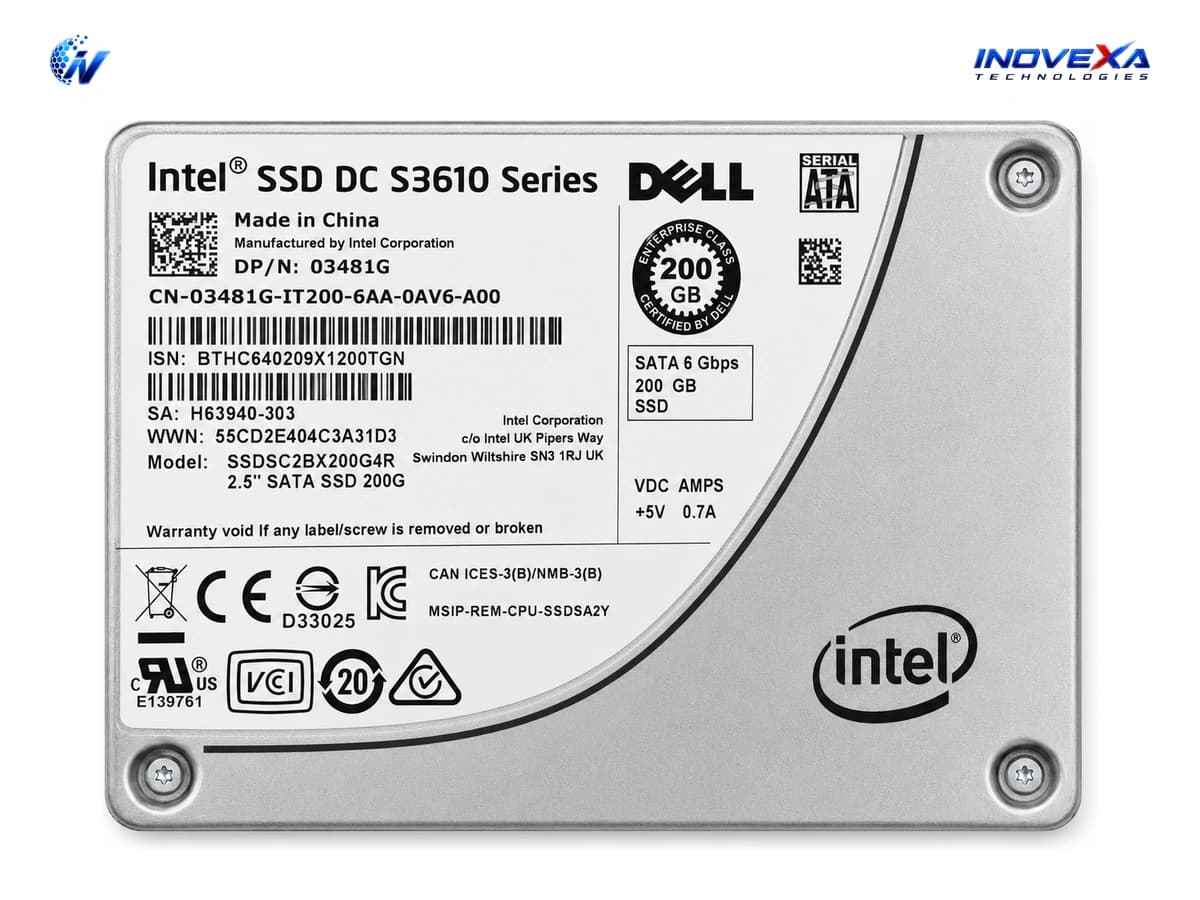
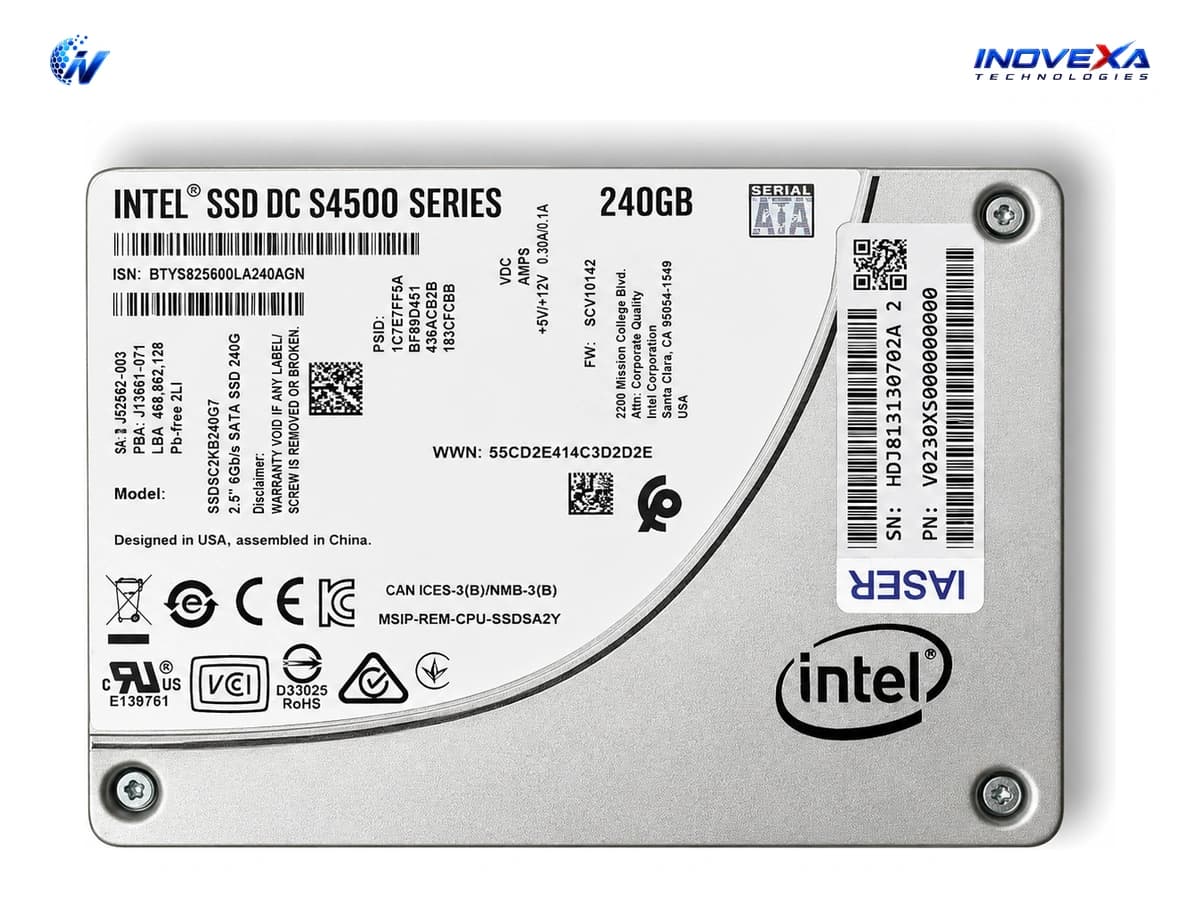
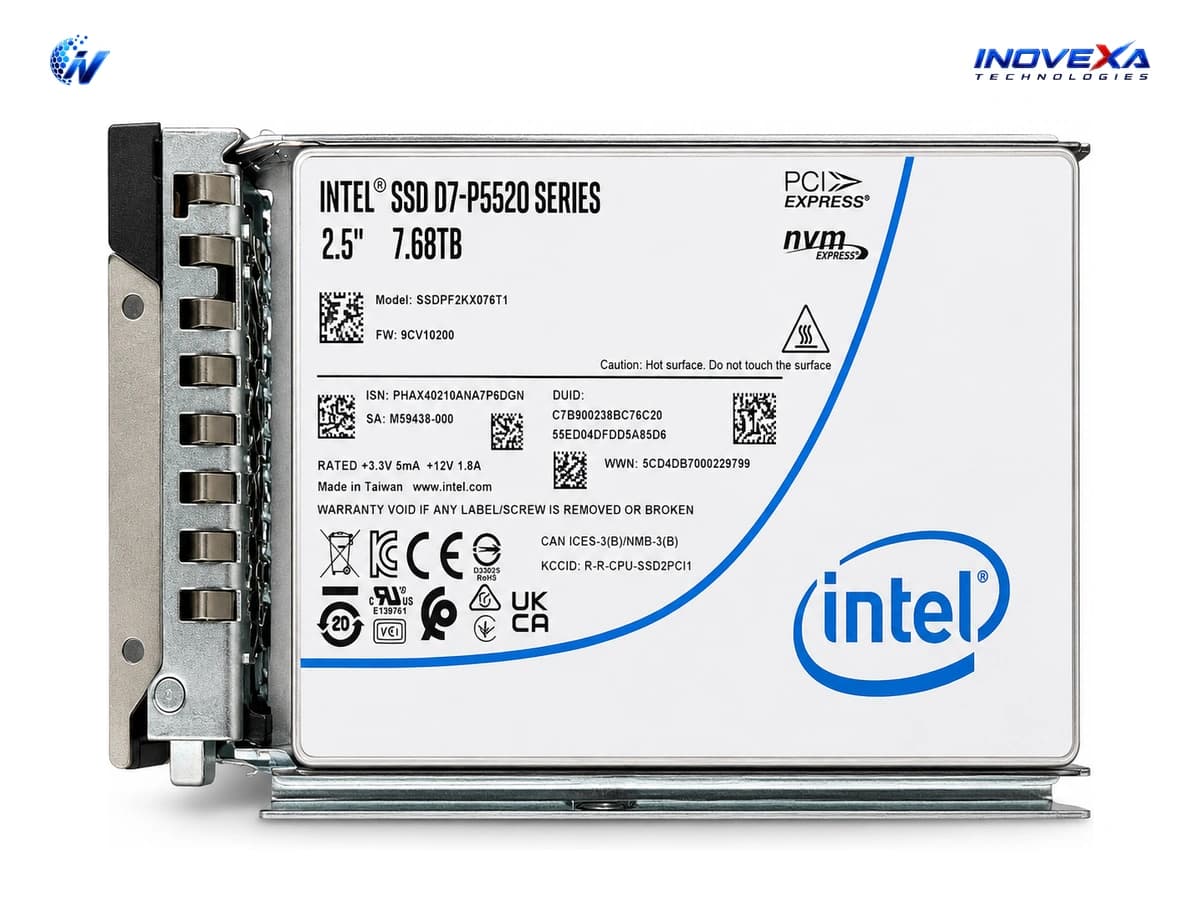
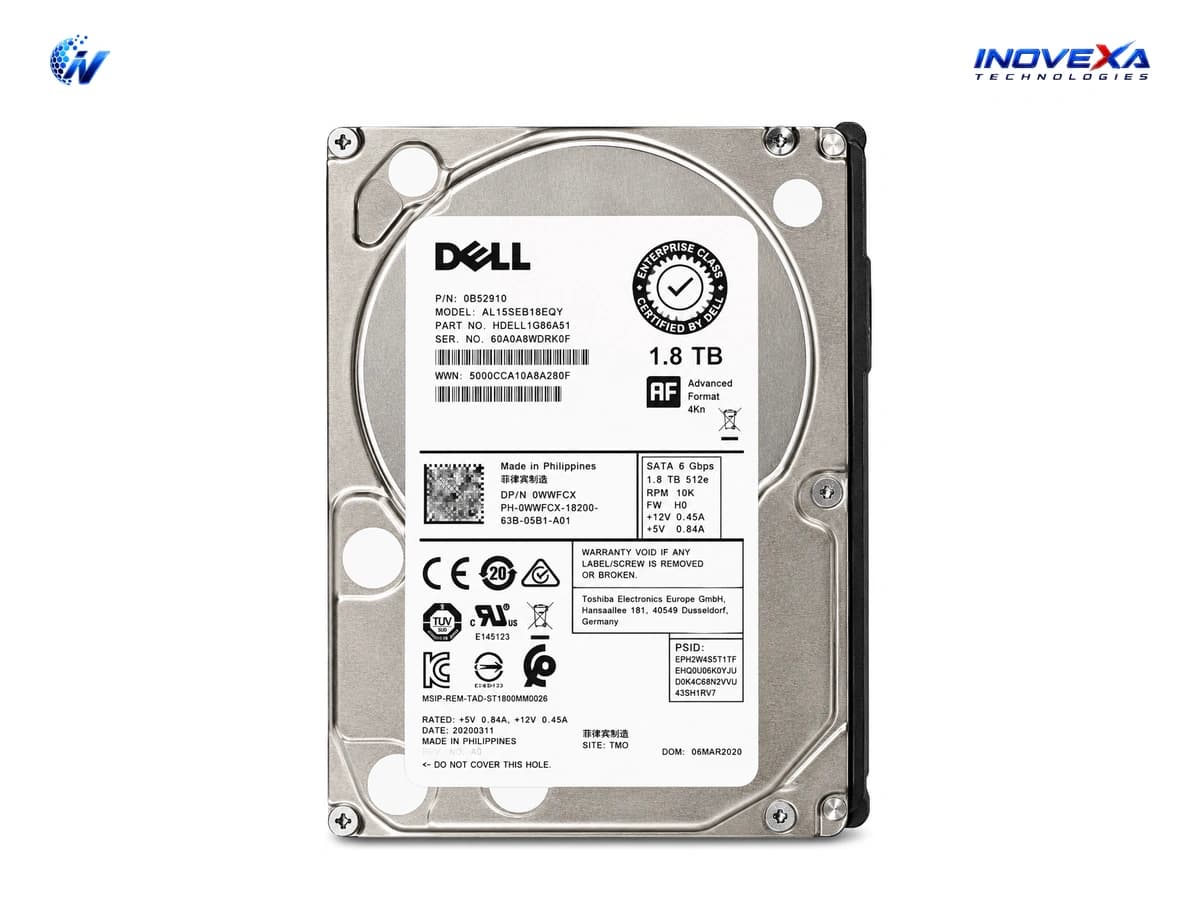
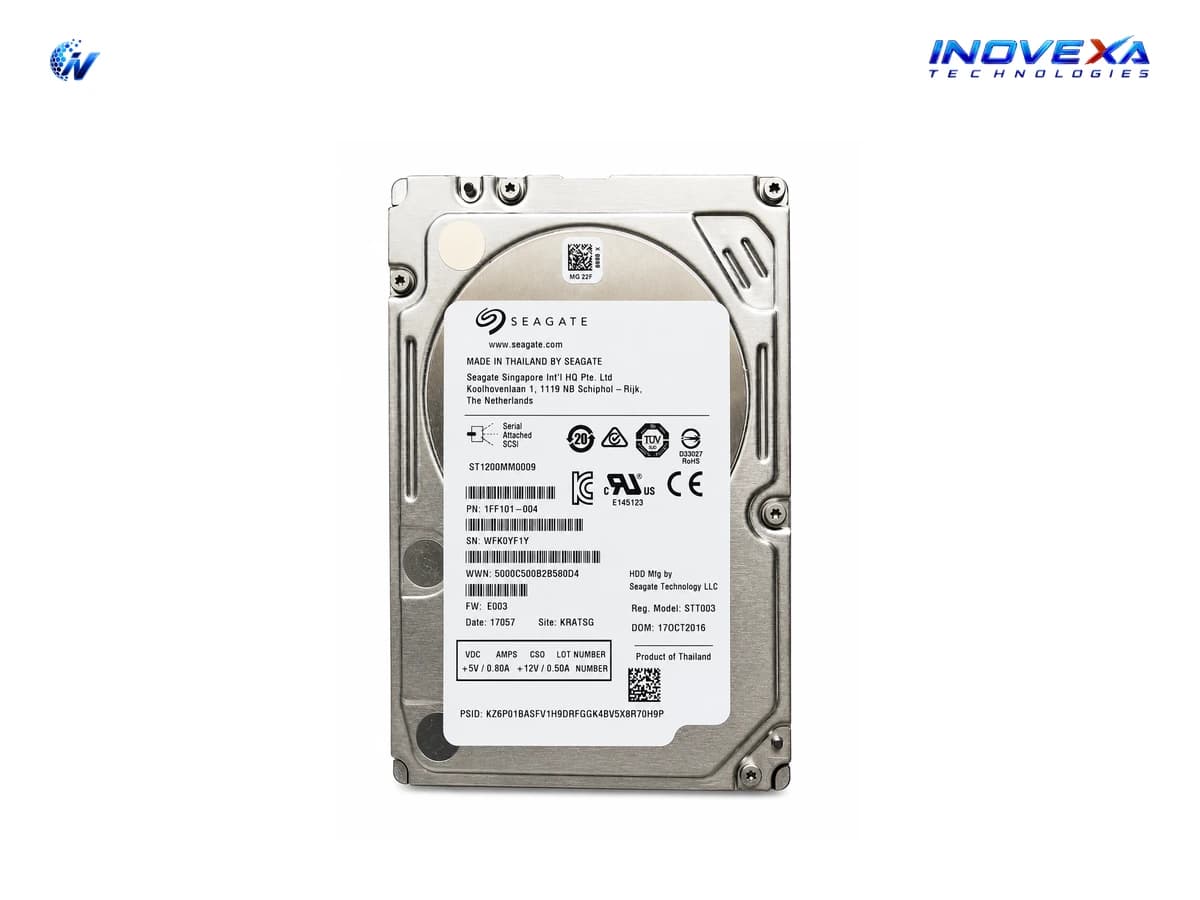
INOVEXA TECHNOLOGIES offers a growing range of enterprise SSDs and HDDs designed for servers, storage systems, data centers, virtualization platforms, backup infrastructure, and other demanding computing environments across Bangladesh. Our storage lineup may include NVMe SSDs, SATA SSDs, SAS SSDs, enterprise SATA HDDs, and SAS HDDs in different capacities, interfaces, form factors, and performance classes.
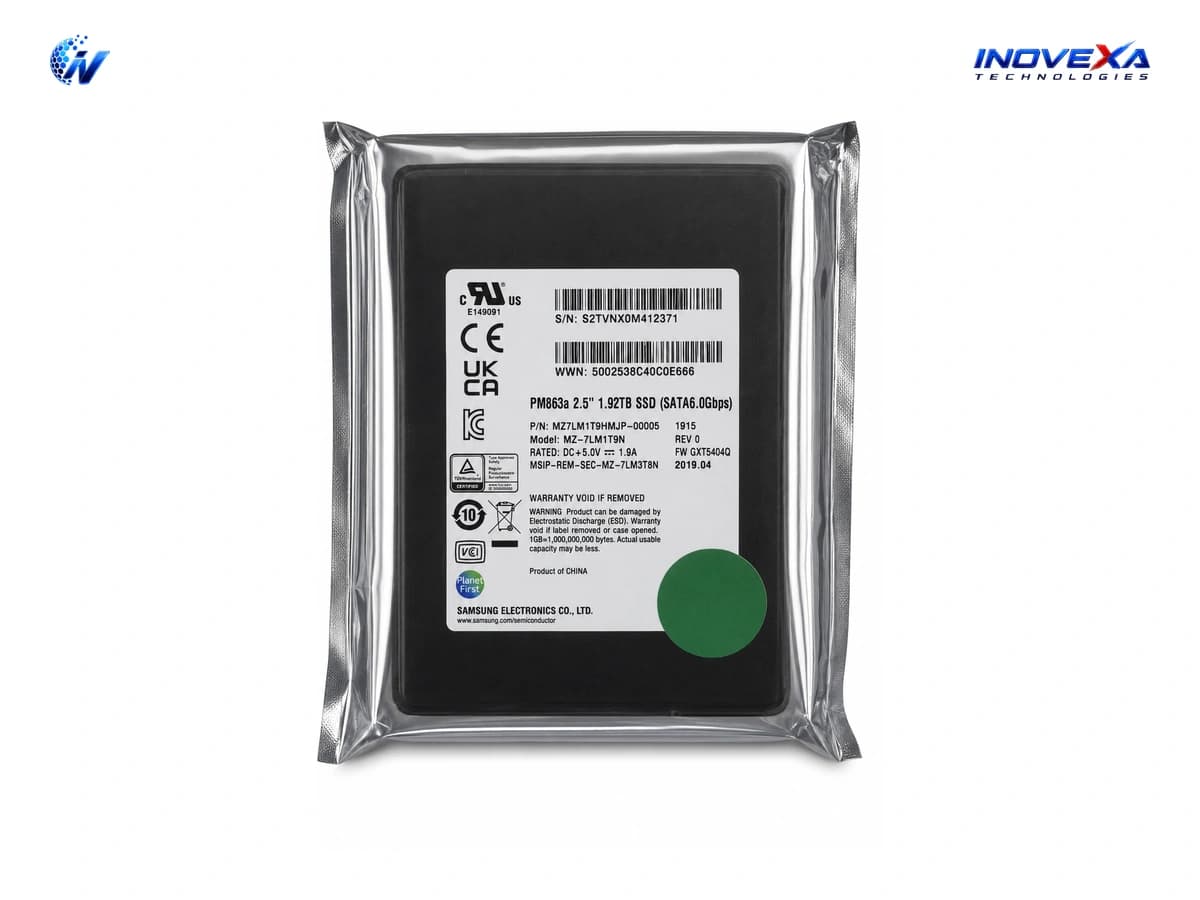
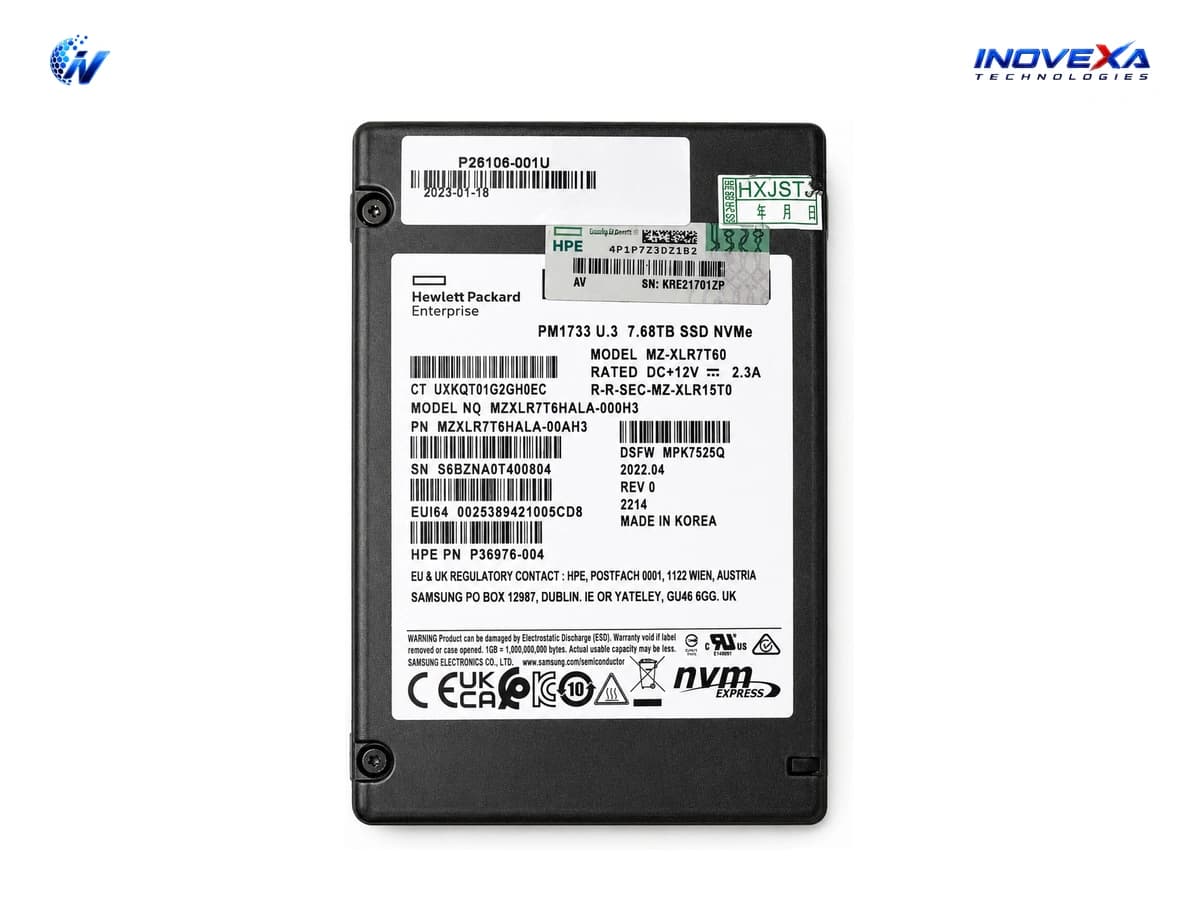
Depending on the model, enterprise drives may be available in 2.5-inch SFF, 3.5-inch LFF, M.2, U.2, U.3, and other server-oriented form factors, with capacities ranging from entry-level enterprise storage to high-capacity data center solutions.
Our selection may include products from established storage manufacturers such as Intel/Solidigm, Samsung, Micron, Kioxia, Seagate, Western Digital, and other enterprise storage brands, subject to availability and product specifications.
Enterprise storage requirements vary significantly between applications. Whether you need high-IOPS SSDs for databases, NVMe drives for virtualization, SAS storage for enterprise arrays, or high-capacity HDDs for backup and archival workloads, INOVEXA TECHNOLOGIES can help you select storage based on capacity, endurance, interface, performance, compatibility, and deployment requirements.
Enterprise Server Storage Drive Buying Guide
Choosing the right enterprise drive requires evaluating capacity, interface, endurance, performance, form factor, and server compatibility.
1. NVMe, SAS & SATA Interface
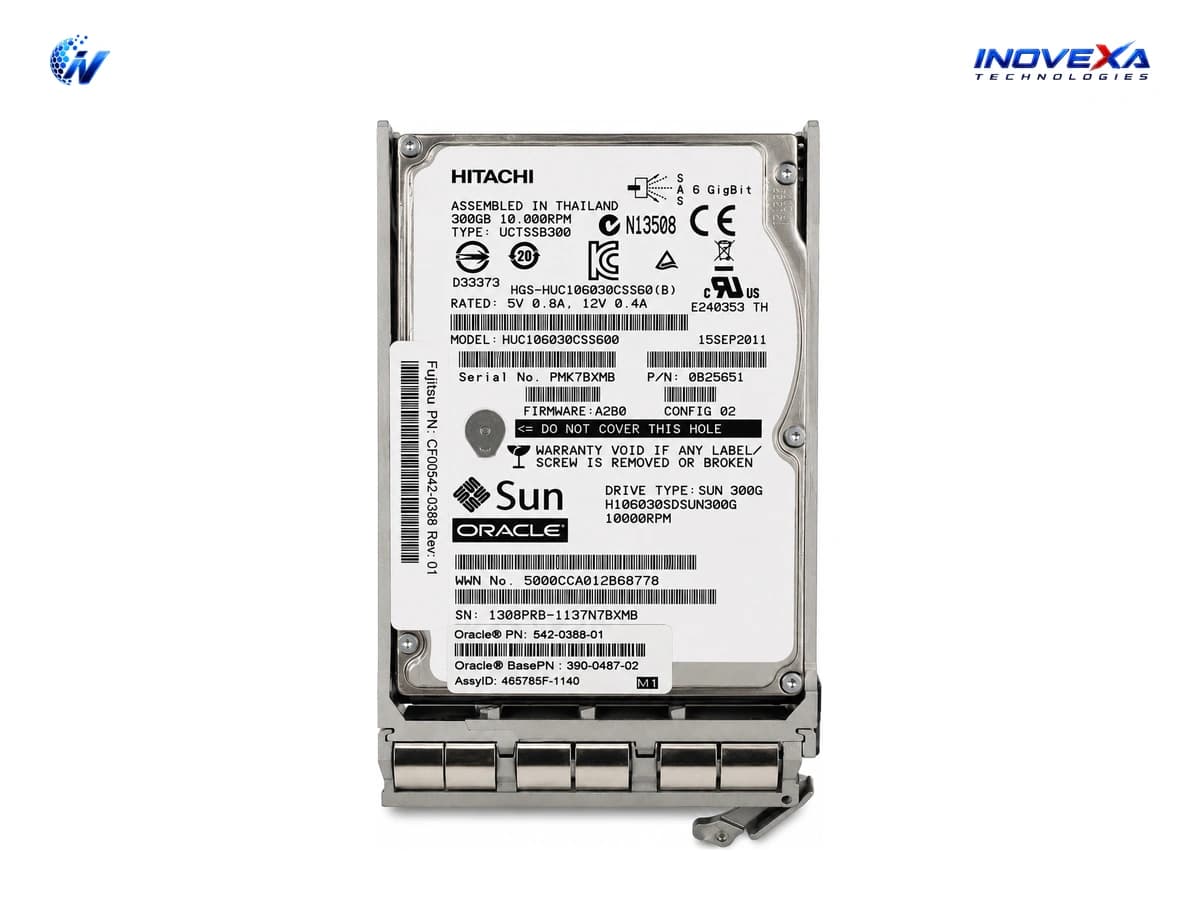
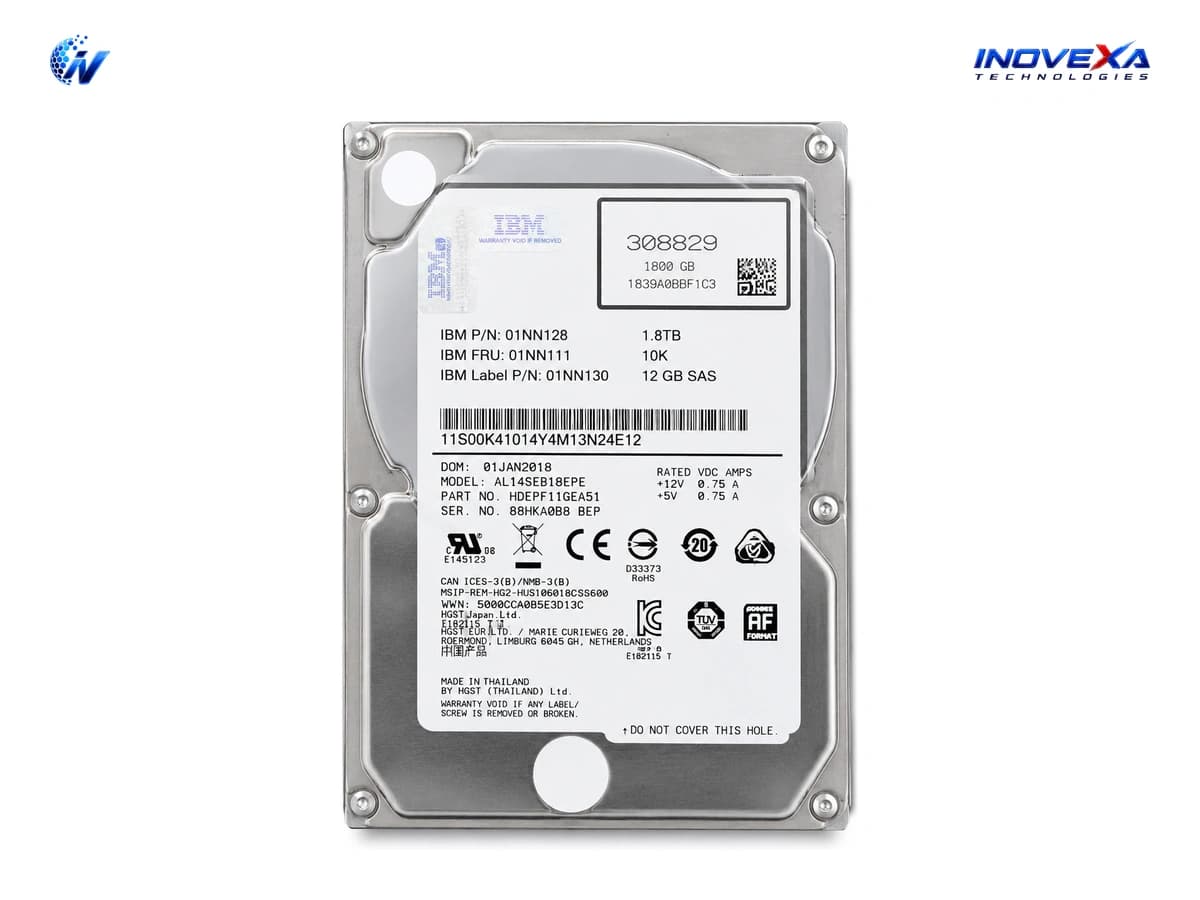
NVMe SSDs connect directly through PCIe and are suitable for high-performance workloads requiring low latency and high IOPS. SAS drives are widely used in enterprise storage arrays and servers where reliability, scalability, and advanced storage connectivity are important. SATA SSDs and HDDs provide practical solutions for general server storage, bulk data, backup, and archival applications.
2. Drive Endurance & Workload Requirements
SSD endurance is commonly measured using TBW (Terabytes Written) or DWPD (Drive Writes Per Day). Write-intensive workloads such as databases, virtualization, logging, and transactional systems may require higher-endurance enterprise SSDs, while read-intensive workloads can often use lower-endurance models. Always compare the manufacturer's endurance rating with your expected workload.
3. Performance & IOPS
Storage performance depends on factors including interface type, controller, NAND technology, cache, queue depth, workload pattern, and drive model. For databases, virtualization, and high-concurrency applications, prioritize drives with suitable random I/O performance and sustained workload characteristics, rather than relying only on sequential read/write speeds.
4. Form Factor & Server Compatibility
Before purchasing a server drive, verify the required 2.5-inch SFF or 3.5-inch LFF form factor, interface, backplane, connector, and drive tray/caddy compatibility. For NVMe storage, check whether the server supports the required M.2, U.2, U.3, or PCIe-based configuration.
Key Enterprise Benefits
High-Performance Storage
Enterprise SSDs and NVMe drives can provide high IOPS, low latency, and fast data transfer for demanding server and virtualization workloads.
Flexible Storage Interfaces
Choose from NVMe, SAS, and SATA storage technologies according to your server architecture, performance requirements, and budget.
Workload-Specific Endurance
Enterprise SSDs are available in different endurance classes to support workloads ranging from general server applications to intensive databases, virtualization, and continuous data processing.
High-Capacity Storage Options
Enterprise HDDs provide cost-effective high-capacity storage for backup systems, archival data, surveillance storage, file servers, and large-scale repositories.
Server & Data Center Compatibility
Selected drives can be used across Dell PowerEdge, HPE ProLiant, Supermicro, Lenovo, custom servers, storage systems, and other compatible platforms, subject to the specific drive and server configuration.
Storage Expansion & Upgrades
Upgrade existing servers with additional capacity or replace older drives while maintaining the appropriate interface, form factor, RAID configuration, and compatibility requirements.
Industry Applications & Deployments
Database & Application Servers
Deploy high-performance SSDs and NVMe storage for SQL, PostgreSQL, MongoDB, virtualization databases, and business-critical applications.
Virtualization & Cloud Infrastructure
Use high-IOPS storage for VMware, Proxmox, Hyper-V, private cloud, and other virtualization environments, depending on platform requirements.
SAN / NAS & Storage Arrays
SAS, SATA, and enterprise SSDs can be used in compatible SAN, NAS, RAID, ZFS, and distributed storage environments.
Enterprise Backup & Archival
High-capacity HDDs provide economical storage for backup repositories, file archives, CCTV footage, media libraries, and long-term data retention.
Data Center Infrastructure
Deploy enterprise storage across rack servers, storage nodes, database clusters, and high-availability infrastructure where reliability and predictable performance are important.
PC MikroTik Router Servers
Use compatible SSDs and NVMe drives for RouterOS-based PC MikroTik Router Servers, system storage, logging, monitoring, and other storage requirements.
Server Storage Upgrades
Replace aging or insufficient storage with newer enterprise drives while matching the required capacity, interface, form factor, performance, and server compatibility.