Explore Switches & Routers Subcategories
Network Switches
About Switches & Routers
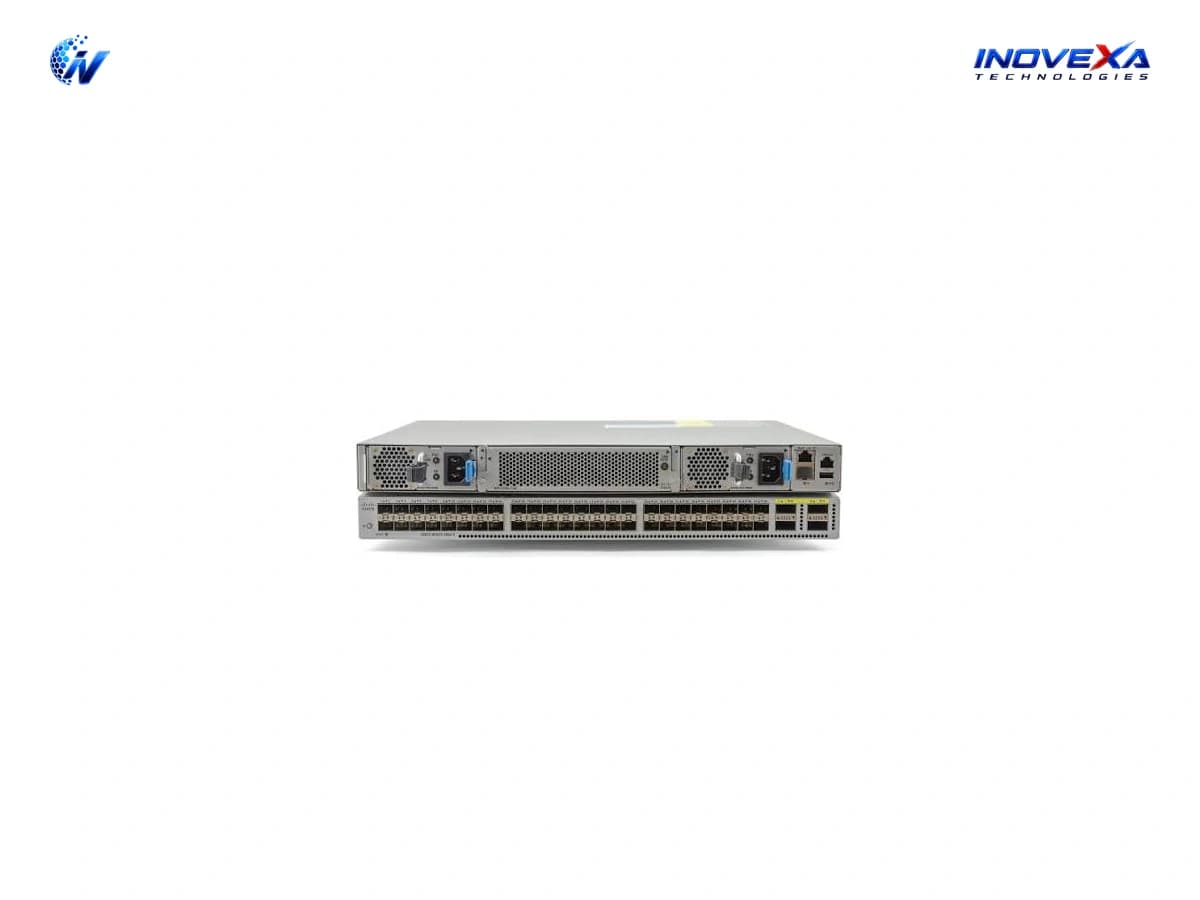
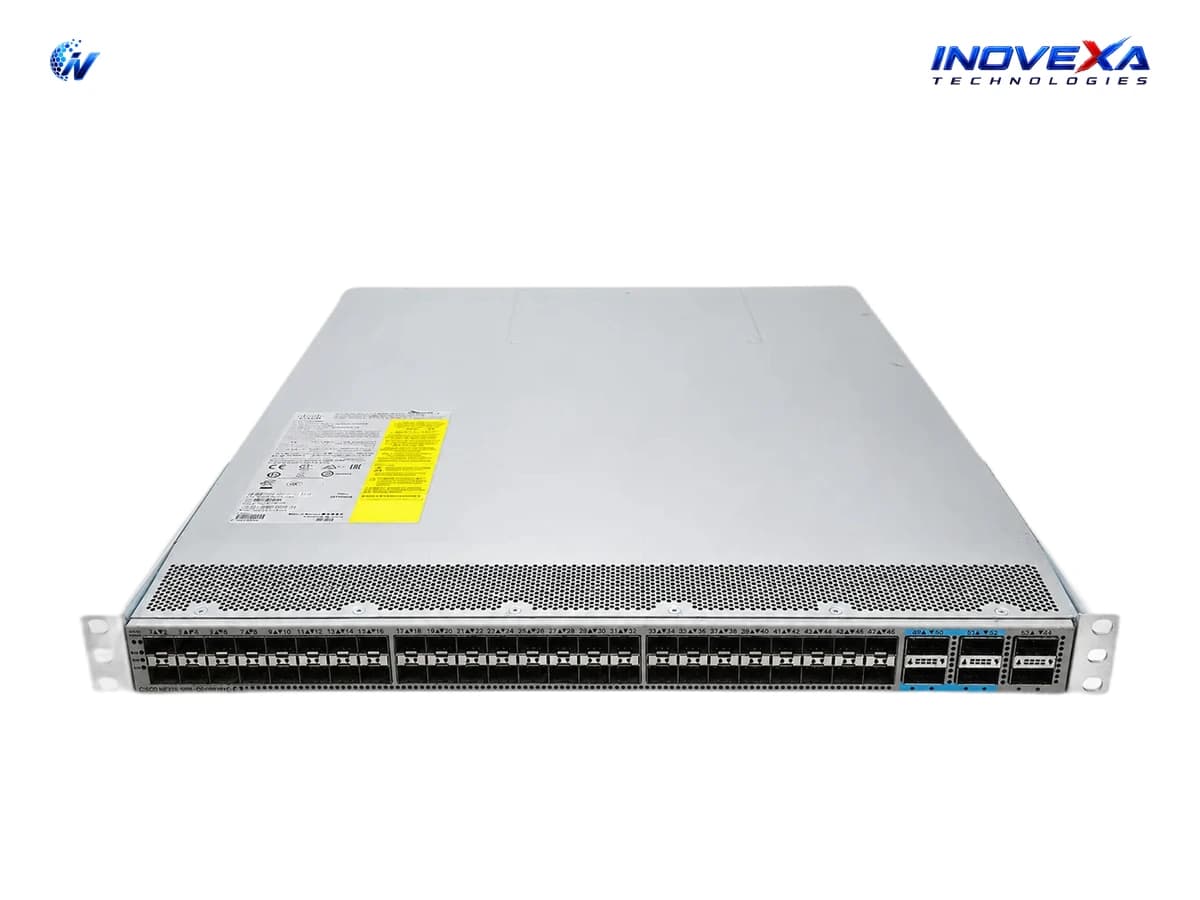
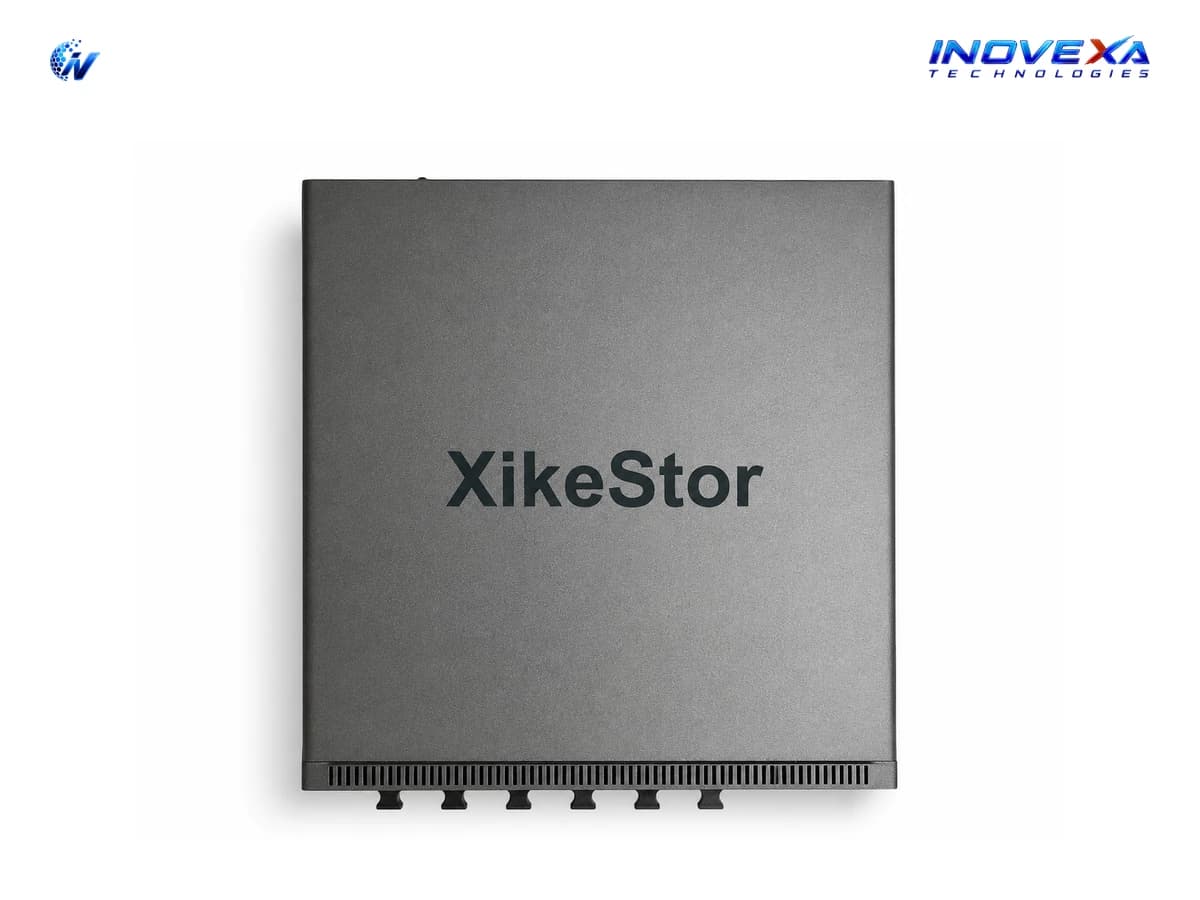
Managed and enterprise network switches designed for reliable Ethernet connectivity, VLANs, traffic management, uplink aggregation, and scalable business and data-center networks.
Network Switch & Router Selection Guide
Choosing the right networking equipment depends on port requirements, network speed, routing capabilities, uplink capacity, PoE requirements, management features, and future expansion.
1. Port Speed & Network Capacity
Choose the appropriate interface speed based on your network requirements. Options may include 10/100/1000Mbps Gigabit Ethernet, 2.5GbE, 5GbE, 10GbE, 25GbE, 40GbE, and 100GbE interfaces depending on the model.
2. Layer 2 & Layer 3 Features
For basic LAN connectivity, Layer 2 switching may be sufficient. More advanced networks can benefit from VLAN, inter-VLAN routing, static routing, OSPF, BGP, ACL, QoS, and other Layer 3 capabilities, depending on the switch or router.
3. PoE & Power Requirements
For IP cameras, VoIP phones, wireless access points, and other powered devices, check the supported PoE standard and total PoE power budget. Models may support PoE, PoE+, or higher-power standards depending on their specifications.
4. Fiber & Uplink Connectivity
High-speed uplinks help connect access, aggregation, and core network layers. Depending on the model, switches may provide SFP, SFP+, SFP28, QSFP+, or QSFP28 interfaces for fiber and high-bandwidth network connections.
5. Management & Network Control
Managed switches and routers provide greater control over network traffic and security. Depending on the model, management features may include Web GUI, CLI, VLAN, QoS, SNMP, ACL, link aggregation, port mirroring, and other network management functions.
Key Enterprise Benefits
Flexible Network Connectivity
Choose from different port counts, interface speeds, copper and fiber connections, and uplink configurations to build networks ranging from small offices to high-density enterprise and data center environments.
High-Speed Fiber Networking
Compatible models support SFP, SFP+, SFP28, QSFP+, and QSFP28 interfaces for high-speed server, aggregation, backbone, and data center connectivity.
Advanced Network Management
Managed networking equipment can provide features such as VLAN segmentation, QoS, ACL, SNMP monitoring, link aggregation, and Layer 3 routing, depending on the selected model.
Scalable Network Architecture
Build networks using access, aggregation, distribution, and core switching layers, allowing infrastructure to expand as bandwidth and connected-device requirements increase.
Enterprise & ISP Ready
Our networking portfolio includes hardware suitable for ISP networks, enterprise LANs, data centers, server rooms, surveillance deployments, wireless infrastructure, and high-bandwidth backbone networks.
Industry Applications & Deployments
Internet Service Providers (ISPs)
Deploy suitable switches and routers for ISP aggregation, subscriber networks, BGP routing, traffic management, backbone connectivity, and high-speed fiber infrastructure.
Enterprise & Corporate Networks
Build reliable corporate LAN infrastructure with managed switches, VLAN segmentation, Layer 3 routing, QoS, security controls, and high-speed uplinks.
Data Centers & Server Rooms
Connect servers, storage systems, and network appliances using 10GbE, 25GbE, 40GbE, and 100GbE switching and fiber connectivity, depending on the deployment.
IP Surveillance Networks
PoE-capable switches provide network connectivity and power for IP cameras, NVR systems, access control devices, and other network-based security equipment.
Wi-Fi & Wireless Infrastructure
Use PoE switches to connect and power compatible wireless access points, controllers, and network infrastructure devices.
Campus & Educational Networks
Support large-scale campus networks with managed switching, VLAN segmentation, centralized connectivity, high-speed uplinks, and bandwidth management.
Network Backbone & Aggregation
High-speed aggregation and core switches can connect multiple access networks, servers, routers, and data center segments through 10G, 25G, 40G, or 100G interfaces, depending on the selected hardware.